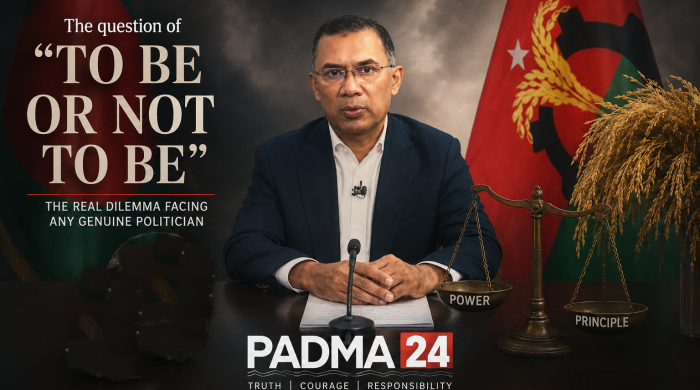
The question of “to be or not to be” is perhaps the real dilemma facing any genuine politician entrusted with governing a developing nation. This reflection comes to mind when listening to the recent emotional remarks of the Honourable Prime Minister of Bangladesh, Tarique Rahman, during the closing speech of the first session of the 13th Parliament in 2026.
In his speech, the Prime Minister spoke openly about the immense pressure of sitting at the centre of decision-making for a nation of nearly 180 million people, a country with limited resources, economic constraints, and growing exposure to geopolitical tensions and global conflicts. Such honesty is uncommon in South Asian politics, where leaders often project strength rather than vulnerability.
The political roots of the Bangladesh Nationalist Party go back to one of the most turbulent periods in Bangladesh’s history. Following the chaotic political environment of 1975, the late President Ziaur Rahman, then Chief of Army Staff, assumed responsibility for a country that was approaching administrative and economic collapse. In September 1978, he established the Bangladesh Nationalist Party (BNP) and reopened the path toward multi-party democracy.
President Zia is still remembered by many as an honest and charismatic leader who restored discipline and direction to the country. Through initiatives such as canal excavation (“Khal Khonon”), rural electrification, and expansion of foreign relations with the United States and Middle Eastern nations, he laid foundations for economic growth. His policies also helped open opportunities for labour migration and the ready-made garments industry, two sectors that continue to remain among the largest sources of foreign currency earnings for Bangladesh today.
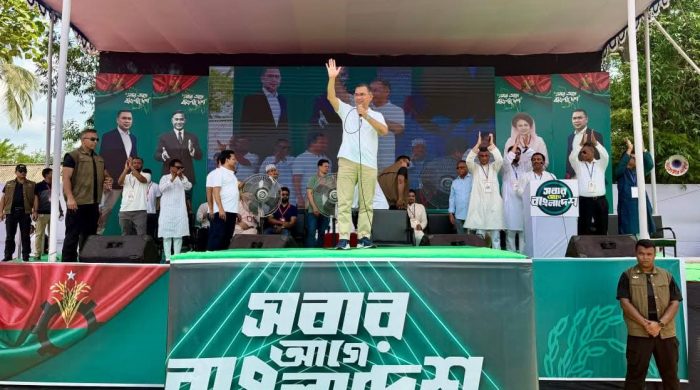
Nearly five decades later, history appears to have come full circle. Following a landslide victory in the national election of February 2026, Tarique Rahman assumed office as Prime Minister after spending nearly seventeen years in exile in the United Kingdom. The election itself carried historic significance, as it followed the mass uprising of July–August 2024 that ended fifteen years of what critics described as an authoritarian regime.
During his years abroad, Mr. Rahman faced political persecution, legal convictions widely criticised by his supporters as products of a biased judicial system, and prolonged separation from his homeland. Yet since returning to Bangladesh, he has largely avoided rhetoric driven by personal grievance. Instead, he has travelled extensively across the country, focusing on implementing the promises outlined in the BNP’s 2026 election manifesto.
What stood out in his recent parliamentary speech was not merely political rhetoric, but a rare expression of emotional weight. Leaders in developing countries often hold onto power until removed either by elections or popular uprisings. By contrast, in many mature parliamentary democracies such as the United Kingdom, political leaders occasionally step aside because of personal circumstances, public accountability, or the psychological pressure associated with governing.
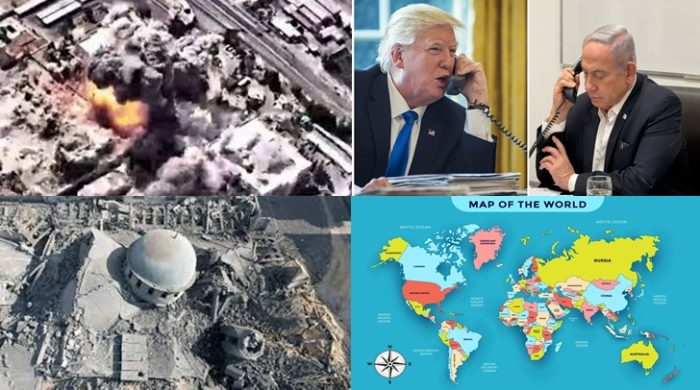
It is possible that Prime Minister Rahman’s remarks reflected exhaustion arising from the ongoing financial crisis, rising energy prices, and instability linked to conflicts in the Middle East. However, his comments may also indicate something deeper: the immense sense of historical responsibility associated with occupying a position once held by both his father, President Ziaur Rahman, and his mother, former Prime Minister Khaleda Zia.
Many Bangladeshis still remember the political legacy and nationalist image associated with his parents. In moments of crisis, it is conceivable that Mr. Rahman reflects on how his late parents might have approached similar decisions. Such historical expectations can create enormous mental and emotional pressure, particularly during the first months of a new administration.
Governing Bangladesh has never been an easy task. The country faces the challenge of managing a massive population with limited natural resources while sustaining economic growth and social stability. According to critics of the previous government, Bangladesh was left with heavy debt burdens, weakened financial institutions, widespread corruption allegations, and large-scale money laundering connected to infrastructure megaprojects financed through foreign borrowing and domestic banks.
As a result, the current government faces a delicate balancing act: restoring economic confidence, repaying debts, creating employment opportunities, stabilising the banking sector, and maintaining political order at a time of global economic uncertainty.
The BNP government undoubtedly possesses a strong parliamentary mandate, giving it the ability to implement major reforms. Yet overwhelming parliamentary dominance also carries risks. History demonstrates that governments with large majorities can sometimes become disconnected from public sentiment or adopt unpopular policies without sufficient institutional restraint.
At the same time, the government faces an active and experienced parliamentary opposition with a long history of political mobilisation. Although the 2024 uprising is widely regarded as a student-led and non-partisan movement, many observers believe opposition political forces played a significant role in sustaining the protests that ultimately removed the previous administration.
In addition, the BNP government must continue dealing with the political activities of the Awami League, which remains under political ban following actions taken by the interim government in 2024 under anti-terrorism legislation later endorsed by Parliament in 2026. Given Bangladesh’s history of confrontational politics, tensions between political forces are likely to remain a significant challenge for national stability in the coming years.
Ultimately, Prime Minister Mr. Tarique Rahman enters office at a uniquely difficult historical moment. He must navigate economic recovery, geopolitical uncertainty, institutional reform, and deeply polarised politics while simultaneously carrying the expectations attached to one of Bangladesh’s most influential political families. Seen in this context, the emotion expressed in his closing speech was perhaps not a sign of weakness, but rather an acknowledgment of the enormous responsibility that comes with leading a nation through crisis and transition.
Another important factor for the current government will be maintaining the delicate balance between political stability and democratic accountability. The people of Bangladesh have historically shown strong resistance against authoritarian tendencies, regardless of which party is in power. Therefore, the success of the current administration will not only depend on economic recovery and infrastructure development, but also on its ability to uphold democratic institutions, freedom of expression, judicial independence, and public trust.
At the same time, expectations from the younger generation are significantly higher than before. The youth who actively participated in the 2024 uprising are politically conscious, globally connected, and increasingly demanding transparency and merit-based governance. They will likely judge the government not merely by political slogans, but by tangible improvements in employment opportunities, education quality, cost of living, and social justice.
Furthermore, Bangladesh’s geopolitical position will continue to place the government under considerable diplomatic pressure. Maintaining balanced relations with major global and regional powers such as India, China, the United States, and Middle Eastern nations will require strategic caution and mature leadership. Any miscalculation in foreign policy could directly impact trade, energy security, remittance inflow, and regional stability.
In many ways, the coming years may become one of the most defining periods in Bangladesh’s political history since independence. Whether the current government succeeds or fails will have long-term consequences not only for the economy and governance, but also for the future direction of democracy in the country. For Prime Minister Tarique Rahman, the challenge is therefore not simply about remaining in power, but about proving whether responsible and accountable leadership can still prevail in a deeply polarised political environment.
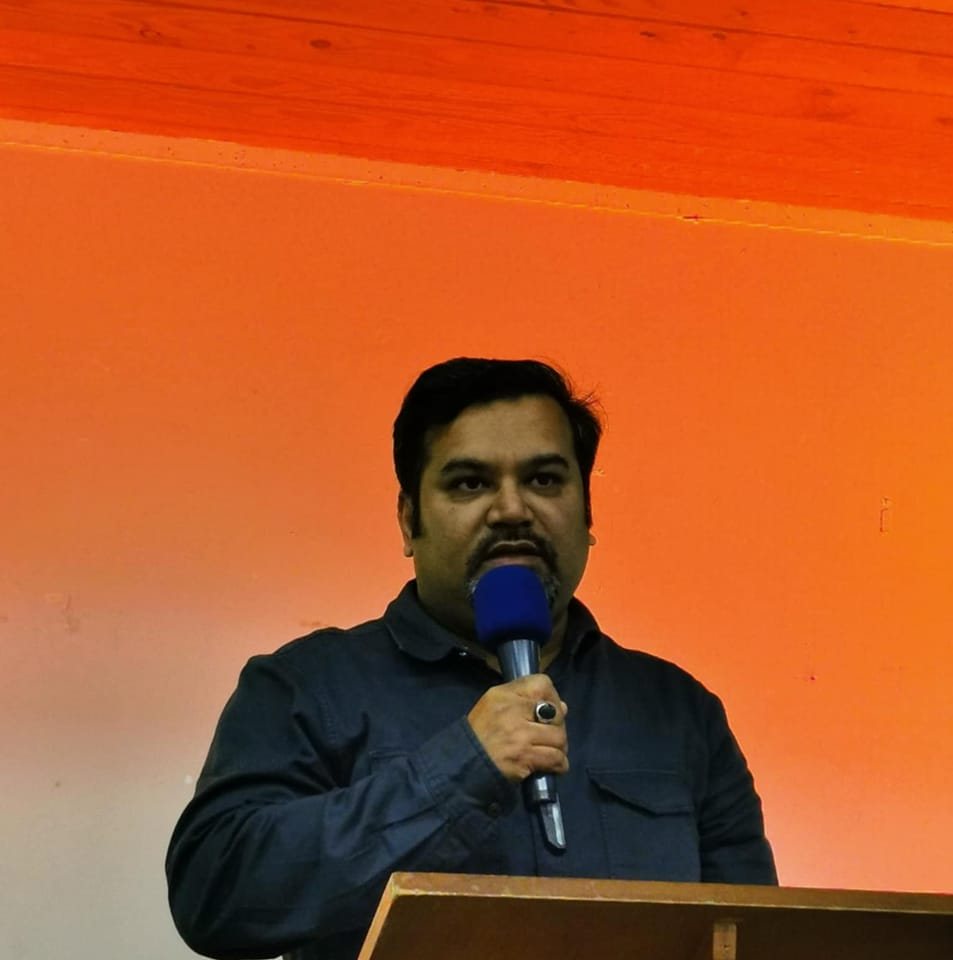
Author: Dr. Mohammad Nasir Uddin Mia,
Former bureaucrat ; Currently living abroad and working as a specialized engineer